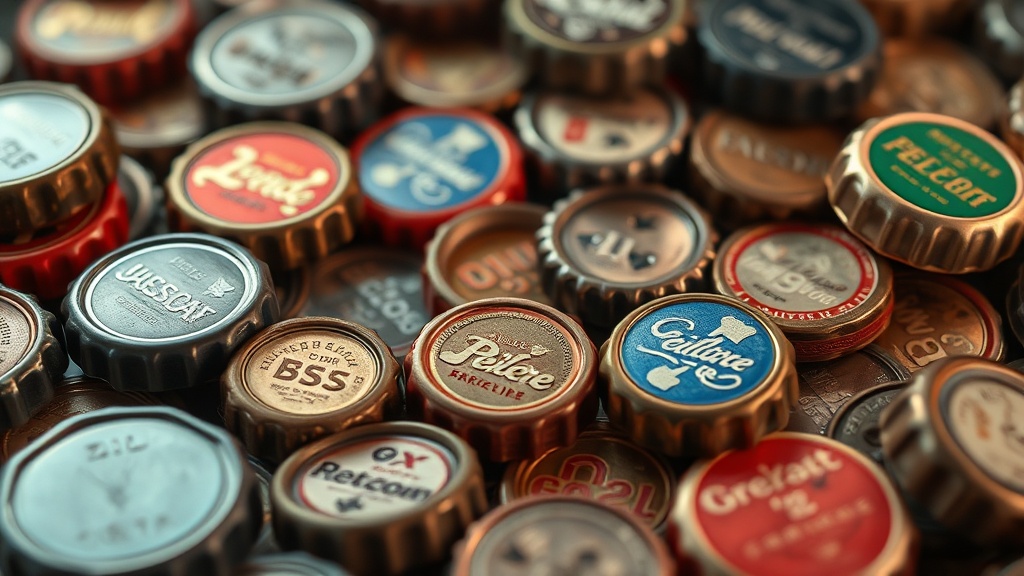
Finding Value in Small Metal Bottle Caps

Most people assume that the value of a collection lies solely in the large, heavy glass bottles that sit prominently on a shelf. They look at a single, weathered metal cap and see trash—something to be tossed in a recycling bin once the soda or milk is finished. This is a mistake. In the world of smalls and closures, the most significant value often hides in the tiny, easily overlooked pieces that once sealed the contents. A single cap can tell a story about manufacturing shifts, regional branding, or even defunct soda companies that no longer exist.
This guide examines how to identify, sort, and value metal bottle caps. We'll look at why certain eras produced more collectible closures and what specific physical traits you should look for when you're out at an antique mall or a garage sale. If you've been focusing only on the glass, you're leaving a massive part of the hobby on the table.
What Makes a Vintage Bottle Cap Valuable?
Value isn't just about age; it's about rarity and the specific details of the design. A standard, plain silver cap from the 1970s might never fetch more than a few cents, but a cap with a highly detailed, colorful lithographed design can be a different story. Collectors look for several specific markers when determining if a piece is worth the investment.
- Lithography Quality: Look for vibrant colors and crisp imagery. High-quality printing often indicates a more prestigious brand or a specific era of production.
- Rim Variations: The way the edge of the cap is shaped—whether it's a standard crown or a more specialized closure—matures the piece's historical significance.
- Brand Longevity: Caps from companies that had short lifespans or went bankrupt during industrial shifts are often harder to find.
- Condition: While "mint" is the goal, many collectors accept a bit of patina. However, excessive rust that eats through the metal usually ruins the value.
To understand the technical side of how these were made, you can research the history of the crown cork through the Britannica entry on industrial closures. Knowing the difference between a standard crown and a specialized seal helps you categorize your finds more effectively.
How Do I Identify Different Types of Metal Closures?
When you're staring at a pile of metal scraps, it's easy to feel overwhelmed. The trick is to categorize them by their physical characteristics rather than just their color. A good starting point is the "crown" style. Most vintage caps are crown corks, which use a series of small teeth around the rim to grip the bottle neck. However, not all crowns are created equal.
You might encounter various types of embossed designs. Some caps have text raised from the surface, while others use printed ink. If you find a cap where the design is part of the metal itself (embossed), it's often more durable and sometimes more sought after. On the other hand, printed-on graphics (lithographed) are more prone to scratching and fading, which affects the price.
Check the underside of the cap if possible. Often, the manufacturer's name or a specific patent date is etched into the metal. This is a goldmine for researchers. If you want to see how these designs changed over time, looking at historical advertising archives can provide a lot of context for why a certain color scheme or font was used in a specific decade.
Where Should I Store My Small Metal Collections?
Because these items are small, they are easily lost or damaged by the environment. You wouldn't put a heavy glass bottle in a damp basement, and you shouldn't treat your metal caps any differently. Moisture is the enemy of metal. If you store your caps in a humid area, you'll see oxidation and rust, which can quickly destroy the aesthetic value of a rare piece.
A good storage strategy involves a few key elements:
- Dry Environments: Keep your collection away from bathrooms, kitchens, or any area with high humidity.
- Individual Housing: Using small, clear plastic organizer bins (the kind used for beads or small hardware) keeps the pieces from clashing against each other.
- Airtight Containers: For your most prized pieces, a display case with a rubber seal is a great way to prevent oxidation.
Avoid using velvet-lined boxes if they are old or dusty, as the fibers can actually trap moisture against the metal. Instead, look for smooth, non-reactive surfaces. If you're displaying them on a shelf, make sure they aren't in direct sunlight, as UV rays can actually fade the lithographed ink on the surface of the cap over time.
The Importance of Documentation
As your collection grows, you'll find that a simple list isn't enough. You need to document the details. When you find a cap that seems special, note the brand, the approximate year (if possible), and the condition. This turns a "pile of metal" into a documented collection. A well-documented collection is much easier to sell or trade later because it proves you've done the work of identifying the pieces.
Many collectors use digital databases to keep track of their inventory. If you're looking for more technical information on how metal-forming processes evolved, the Smithsonian Magazine archives often have fascinating articles on the history of consumer packaging and the materials used during the Industrial Revolution.
When you're out at a flea market, don't ignore the small bins labeled "junk." Often, the most valuable items are tucked away in the bottom of a box of miscellaneous hardware or old bottle caps. Look closely at the edges of the metal and the clarity of the printing. A small, weathered cap might look like nothing, but it could be the missing piece to a set you've been hunting for months.