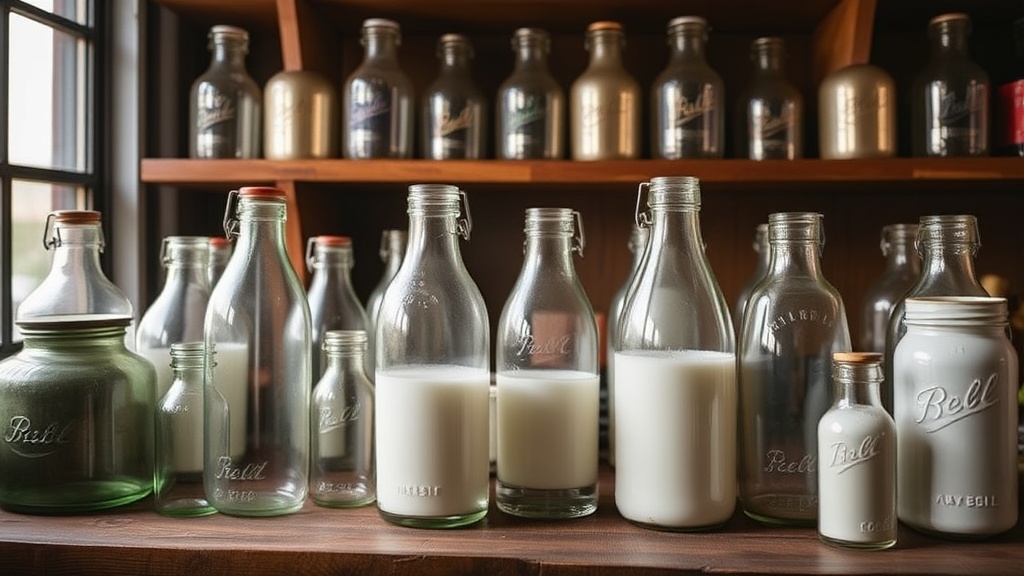
How to Start a Milk Bottle Collection: A Step-by-Step Guide

Introduction: Getting Started with Milk Bottles
Collecting milk bottles is an exciting journey into history, craftsmanship, and nostalgia. Whether you're drawn to the vintage charm or the thrill of the hunt, starting a collection of milk bottles can be incredibly rewarding. In this guide, we’ll walk you through the essential steps to begin your milk bottle collection, from understanding different types to finding the right bottles for your collection.
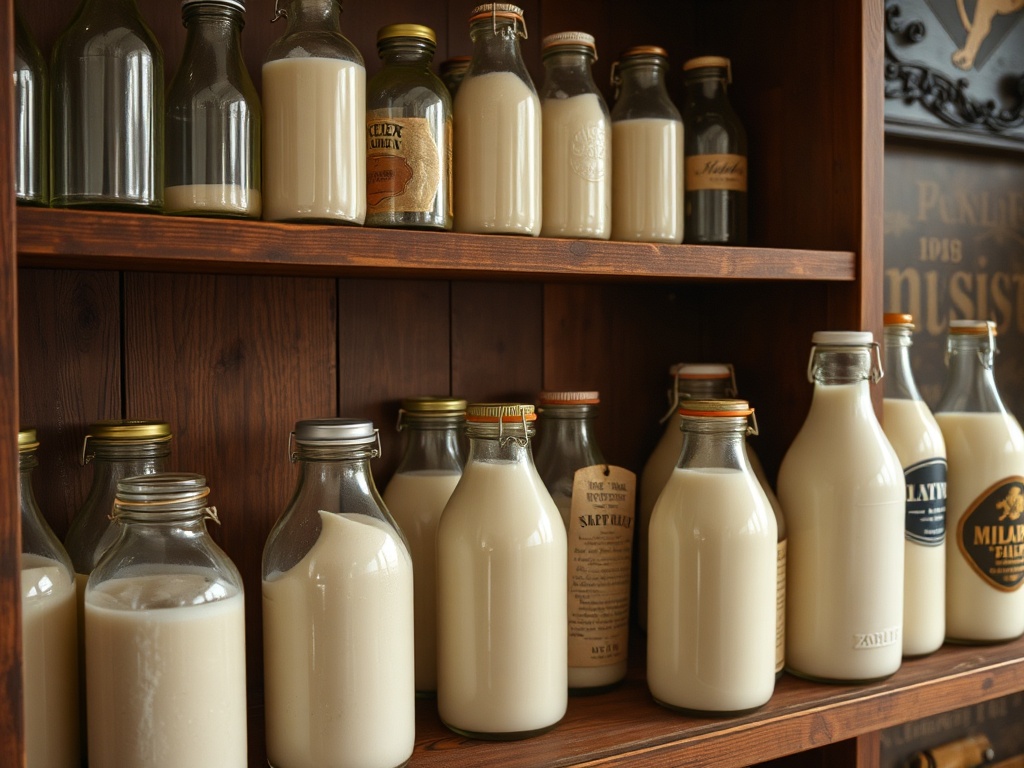
Step 1: Research the History of Milk Bottles
The first step in starting any collection is understanding its history. Milk bottles date back to the late 19th century when they were introduced as a hygienic way to transport milk. Early milk bottles were often made of glass, with simple cork or metal caps. Over the decades, the design evolved, and the bottles were marked with branding and logos from dairies, adding an artistic touch.
Step 2: Know the Different Types of Milk Bottles
Milk bottles come in various styles and sizes, depending on their origin and age. Here are the main categories:
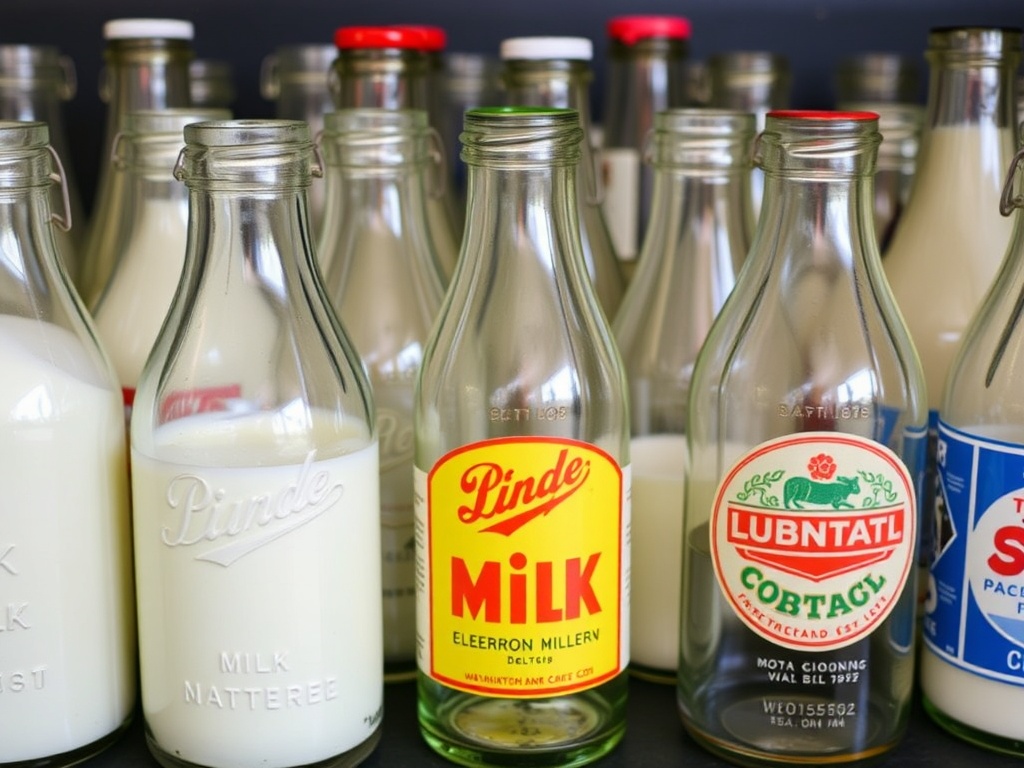
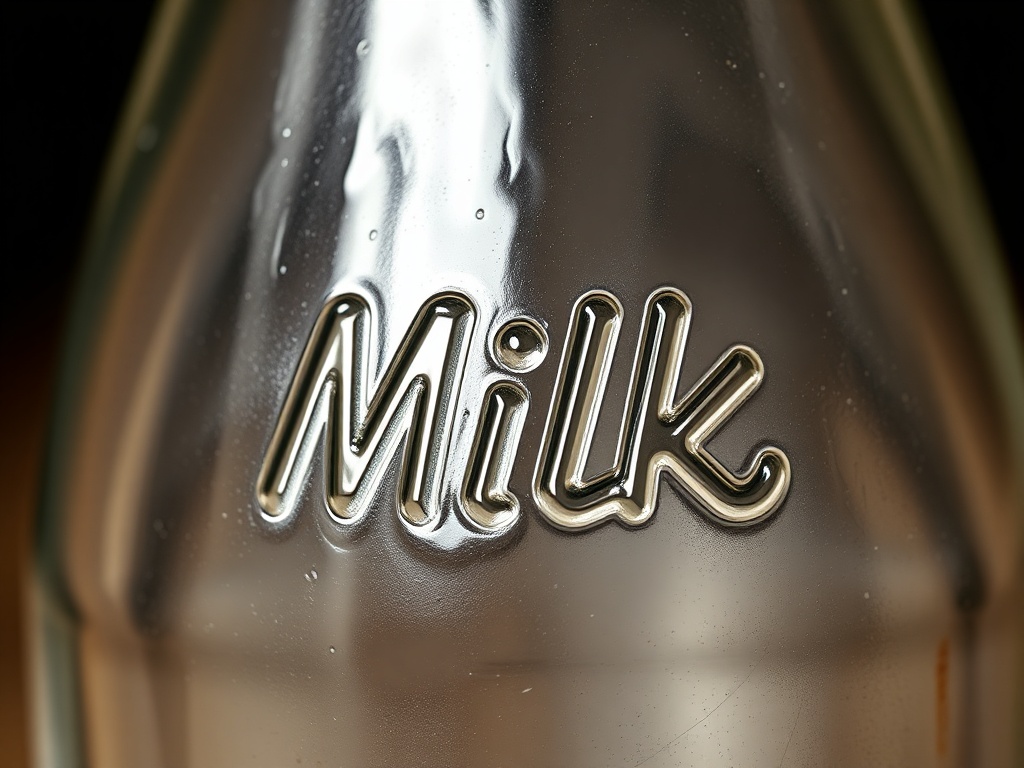
- Vintage Milk Bottles: These bottles are usually glass and can feature unique designs, such as embossed logos or painted labels.
- Modern Milk Bottles: Typically made from plastic or glass, these bottles often feature simple, functional designs and are more readily available.
- Miniature Milk Bottles: Small-sized bottles often produced for souvenirs or collectors.
- Milk Bottle Caps: Many collectors focus on the caps themselves, as these were often decorated and can be as valuable as the bottles themselves.
Step 3: Set Your Budget and Space
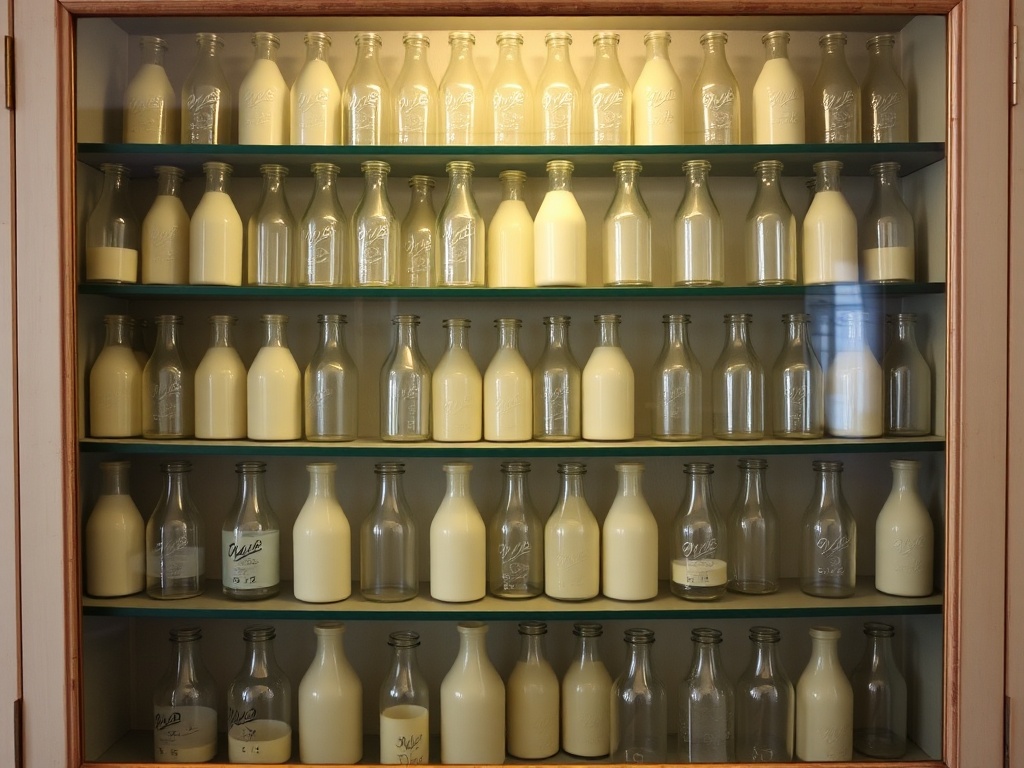
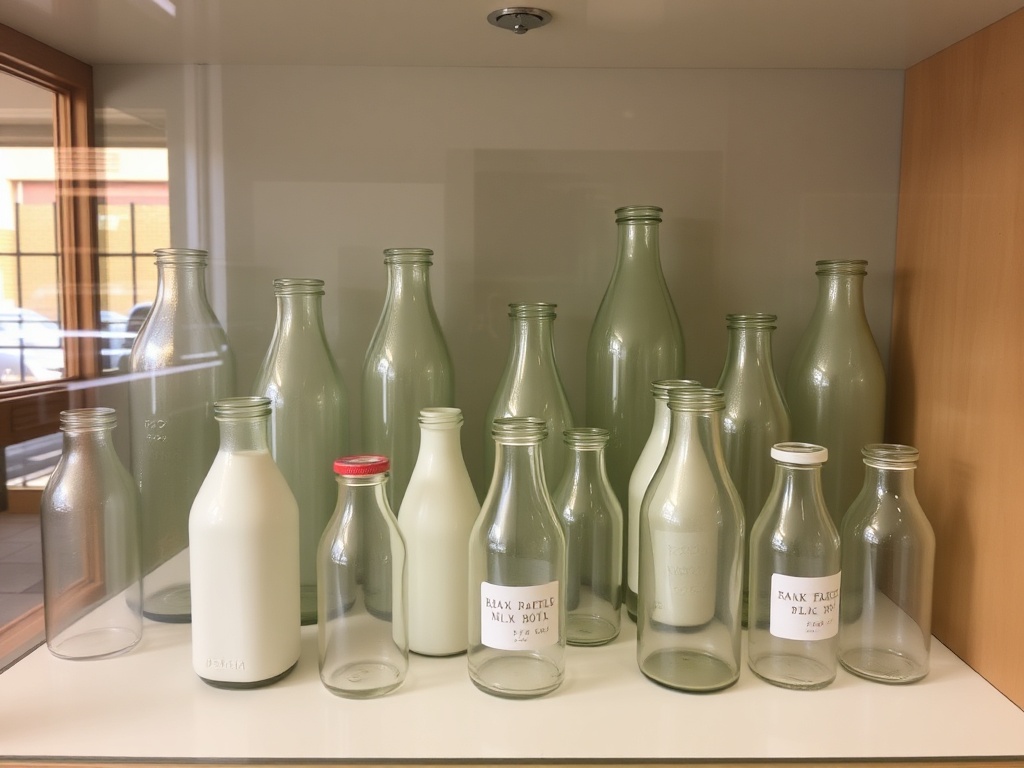
Before you begin buying milk bottles, it's important to establish a budget and consider the space needed for your collection. Prices for rare bottles can range from a few dollars to hundreds, depending on their rarity and condition. Also, think about how you'll display them. Shelves, cabinets, or custom displays work well for showcasing your bottles and keeping them safe.
Step 4: Where to Find Milk Bottles
Now that you know the basics, it's time to start looking for milk bottles. Here are some great places to search:
- Antique Shops and Flea Markets: These are excellent places to find vintage bottles with historical significance.
- Online Marketplaces: Websites like eBay and Etsy feature many milk bottle listings from sellers worldwide.
- Estate Sales and Garage Sales: You may be able to find hidden treasures at local estate sales and garage sales.
- Specialty Milk Bottle Stores: Some stores specialize in milk bottles and related collectibles.
Step 5: Examine the Condition of the Bottles
When collecting milk bottles, the condition is key to their value. Check for cracks, chips, or damage, especially around the base and neck. Some imperfections, like light scuffing or discoloration, can be acceptable depending on the bottle's rarity. The more pristine the bottle, the more it will be worth.
Step 6: Organize and Catalog Your Collection
Once you've started acquiring milk bottles, it’s essential to keep your collection organized. Catalog each bottle with details like:
- Name of the dairy or brand
- Date of production (if known)
- Type of bottle (e.g., glass, miniature, etc.)
- Condition (excellent, good, etc.)
You can keep track of your collection using a simple spreadsheet or a dedicated app for collectors.
Step 7: Care and Display Tips
Proper care and display are vital for preserving the condition of your milk bottles. Avoid direct sunlight, as this can cause fading over time. Store your bottles in a cool, dry environment to prevent damage from heat or humidity. When displaying, consider using protective cases to safeguard against dust and accidental drops.
Conclusion: Enjoying Your Milk Bottle Collection
Collecting milk bottles is not only a way to preserve history but also an enjoyable hobby. With research, patience, and dedication, you'll soon have a collection that tells a unique story. Happy collecting!