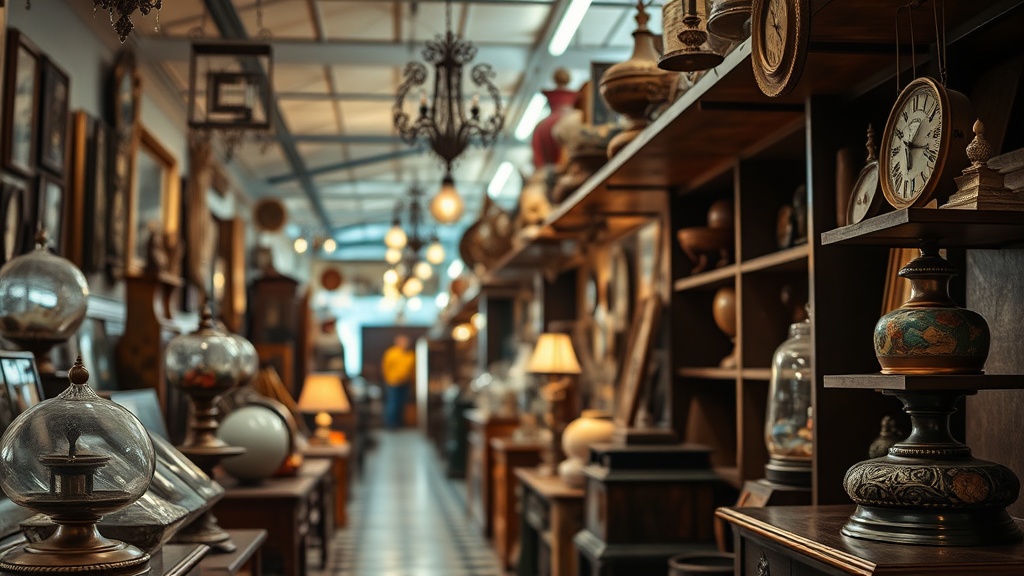
Finding Hidden Gems in Local Antique Malls

This guide provides practical strategies for identifying high-value glass bottles, metal caps, and small-scale collectibles within the disorganized environment of local antique malls. You'll learn how to spot undervalued items, verify authenticity on the fly, and develop a systematic approach to scanning large-scale vendor booths. Finding a rare piece isn't about luck—it's about knowing exactly what visual cues to look for when a dealer hasn't priced an item correctly.
What Should Collectors Look for in Antique Malls?
Collectors should prioritize looking for specific maker's marks, unique glass colors, and unusual bottle-to-cap proportions that indicate rarity. Most antique mall vendors are generalists; they often stock a mix of household goods, clothing, and miscellaneous "junk" that hides the real treasures. You aren't looking for the polished, museum-quality items in the front of the booth. Instead, you're looking for the dusty corner or the bottom of a wooden crate where a stray Cobalt Blue or an embossed soda bottle might be hiding.
Keep an eye out for these specific categories:
- Embossed Glass: Look for raised lettering. This is often the first sign of a collectible-grade bottle rather than a standard utility jar.
- Metal Caps and Closures: Small metal items often get overlooked. A rare, branded metal cap can be a significant find for niche collectors.
- Color Variations: A standard green bottle is common. A bright amber or a deep violet version of that same shape is where the value sits.
- Texture and Weight: High-quality vintage glass feels different in the hand. It has a certain weight and temperature that modern thin glass lacks.
When you find something that looks interesting, don't just grab it. You need to check for structural integrity. If a bottle has a hairline crack or a chipped rim, its value drops significantly. For more on how to handle these delicate items, read my guide on avoiding micro-scratches during bottle handling.
How Do I Verify if a Bottle is Authentic?
Authenticity is verified by examining the base, the finish (the top part of the neck), and the presence of air bubbles or "seeds" within the glass. Most authentic antique glass was hand-blown or mold-blown, meaning it won't be perfectly uniform. If a bottle looks too perfect or too symmetrical, it might be a modern reproduction. A true vintage piece often has small imperfections that tell the story of its manufacturing process.
Check these three areas to determine age and authenticity:
- The Seam: Run your finger along the side of the bottle. If the seam goes all the way up to the lip, it's likely a machine-made bottle from the late 19th century or later. If the seam stops below the neck, it's a sign of an older, hand-finished process.
- The Pontil Mark: Look at the bottom of the bottle. An irregular, rough indentation (a pontil scar) is a strong indicator of an older, hand-blown piece.
- The Glass Color: Natural coloration is different from chemical dyes. To understand the nuances of color, check the Wikipedia entry on glass coloration to see how minerals affect the final hue.
One common mistake is assuming a brand name on a bottle guarantees high value. A common Coca-Cola bottle from the 1950s is still a classic, but it won't fetch the same price as a rare, early 19th-century apothecary bottle. Always research the specific era of the brand. You might want to look back at my post on 6 iconic soda brands that changed bottle design forever to see how certain eras defined the shapes we collect today.
| Feature | Vintage/Antique Characteristic | Modern/Reproduction Characteristic |
|---|---|---|
| Glass Texture | Small bubbles (seeds) and slight irregularities. | Perfectly smooth, uniform, and clear. |
| Seams | Often absent or stops before the neck. | Continuous seam running up the side/neck. |
| Weight | Often heavier or more substantial. | Lightweight and thin-walled. |
How Much Should I Pay for Unpriced Items?
You should offer a price based on the current market value of similar items on secondary markets like eBay or specialized auction sites. Most antique mall vendors use a "price-on-request" system for certain items or leave them unpriced to encourage negotiation. Don't be afraid to ask for a price first. If they don't have one, you'll need to do some quick mental math based on the condition of the piece.
Here's the thing: many collectors overpay because they see a "rare" color and assume it's a jackpot. A rare color in a common shape might only be worth a few dollars. A common color in a very rare shape might be worth hundreds. It's a delicate balance. If you find a bottle with a chipped rim, don't be afraid to offer 50% of the asking price. A damaged item is a damaged item—it doesn't matter how pretty the color is.
Before you reach for your wallet, consider these factors:
- Condition: Is the glass cloudy (sick glass)? Is the metal cap rusted through?
- Rarity: Is this a common utility bottle or a branded collectible?
- Demand: Is there a dedicated community for this specific brand or type?
If you're unsure about the quality of a find, use a quick visual check. A quick look at the light can reveal a lot about the depth of the glass and any internal fractures. For a deeper dive into identifying specific features, look at the 7 rare variations of antique soda bottle finishes. This will help you distinguish between a standard finish and something truly special.
The best way to get better at this is to go often. Antique malls are essentially living libraries of manufacturing history. The more you see, the more your eyes will naturally "jump" to the items that stand out from the clutter. It's a skill that requires patience and a bit of a scavenger hunt mentality.
Don't feel pressured to buy on the spot. If you see something interesting, take a photo of the tag or the item itself. This allows you to go home, research the specific manufacturer or era, and check current sales on sites like eBay to see what the actual going rate is. Most of the time, the "hidden gem" is just an item that the vendor didn't realize was significant. That's where your profit—or your collection's growth—happens.